
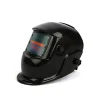
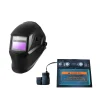
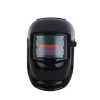
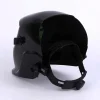
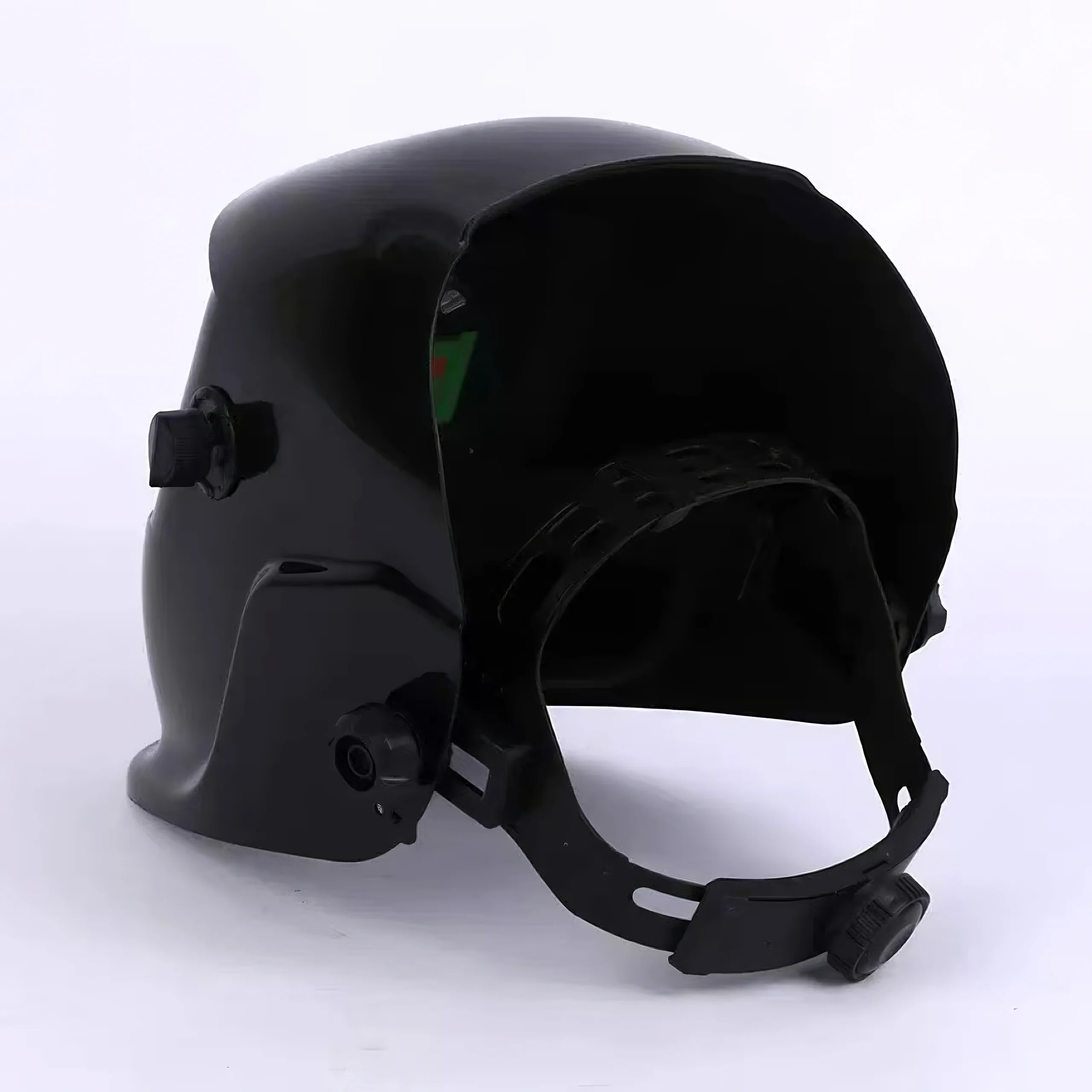
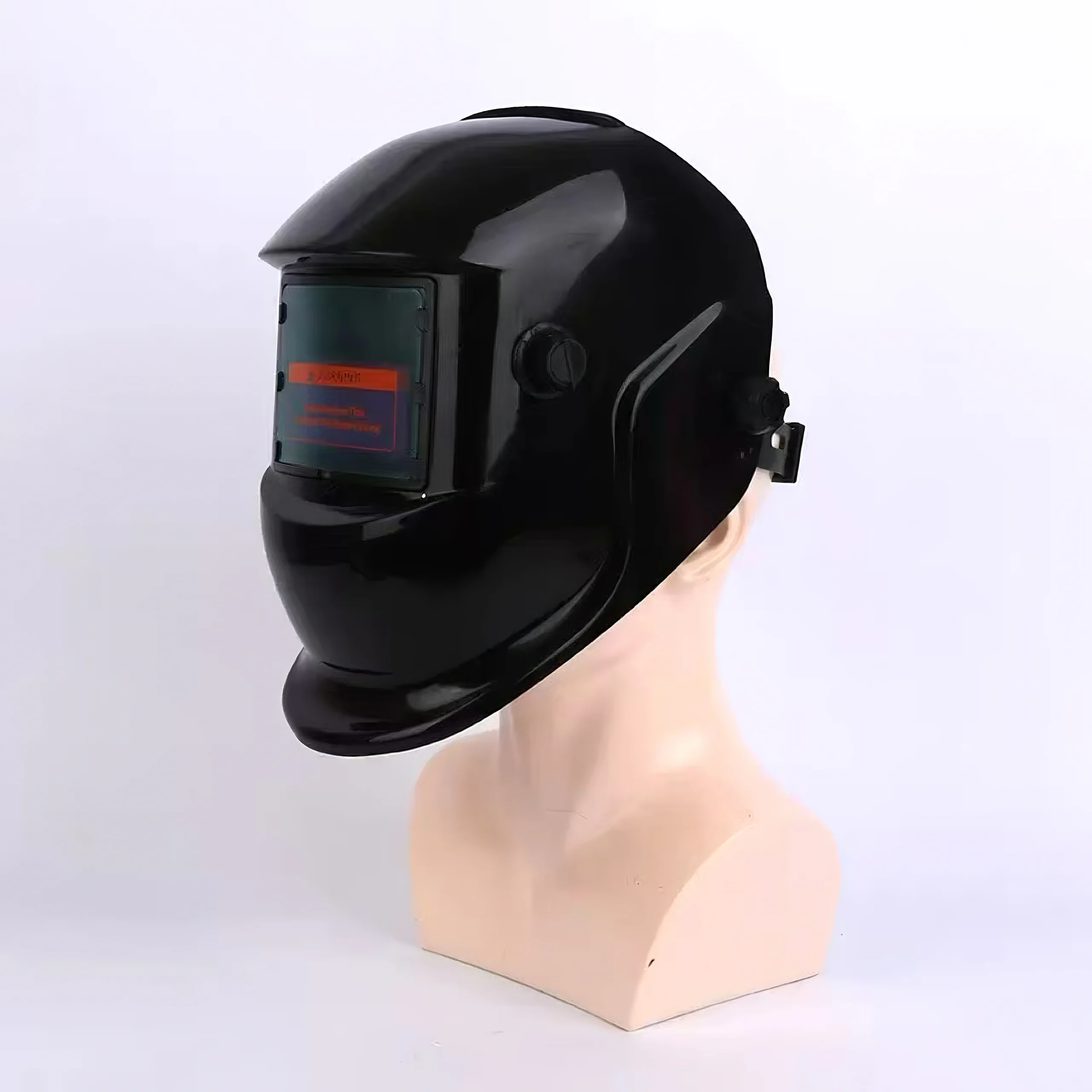
Auto-darkening laser protective helmet: two different functions
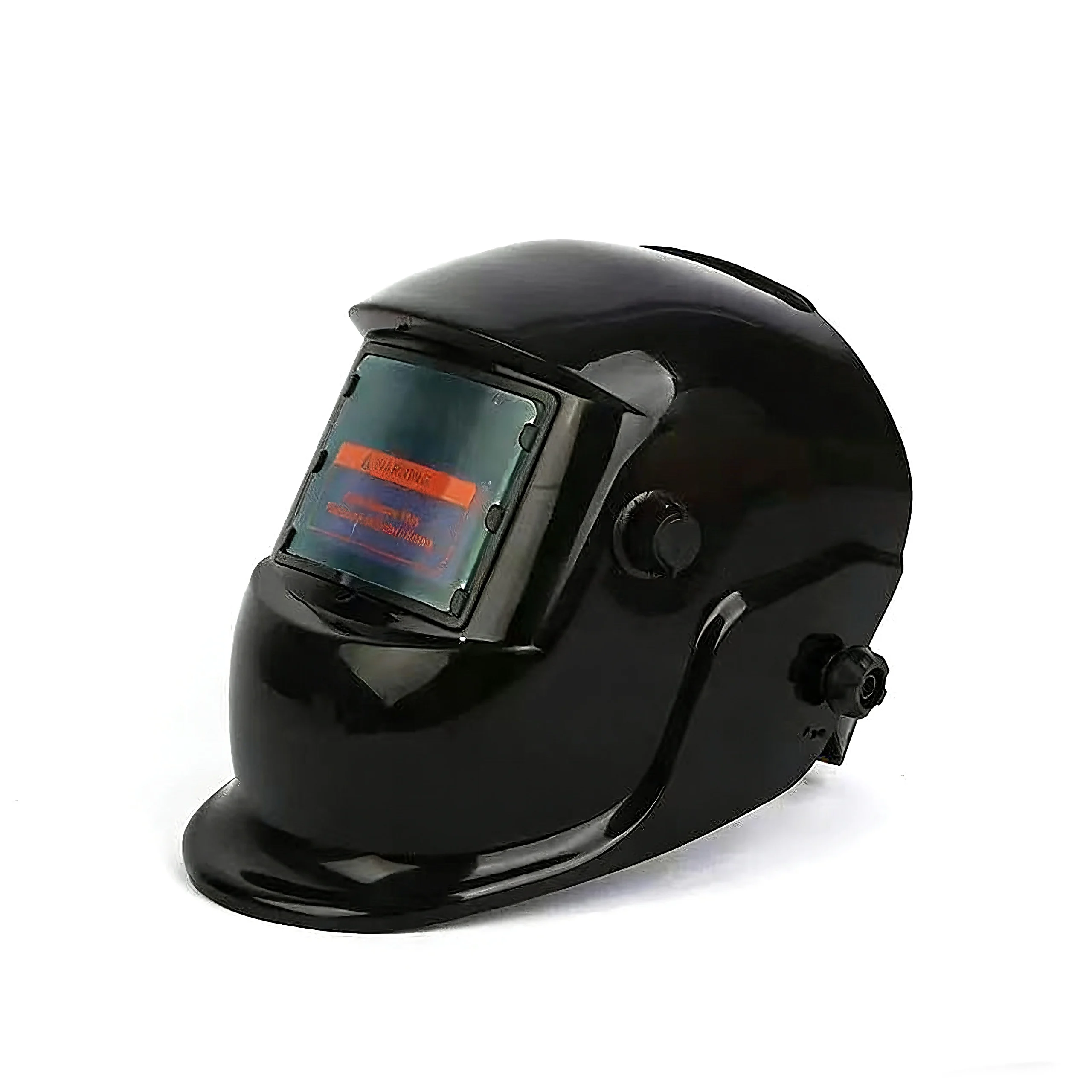
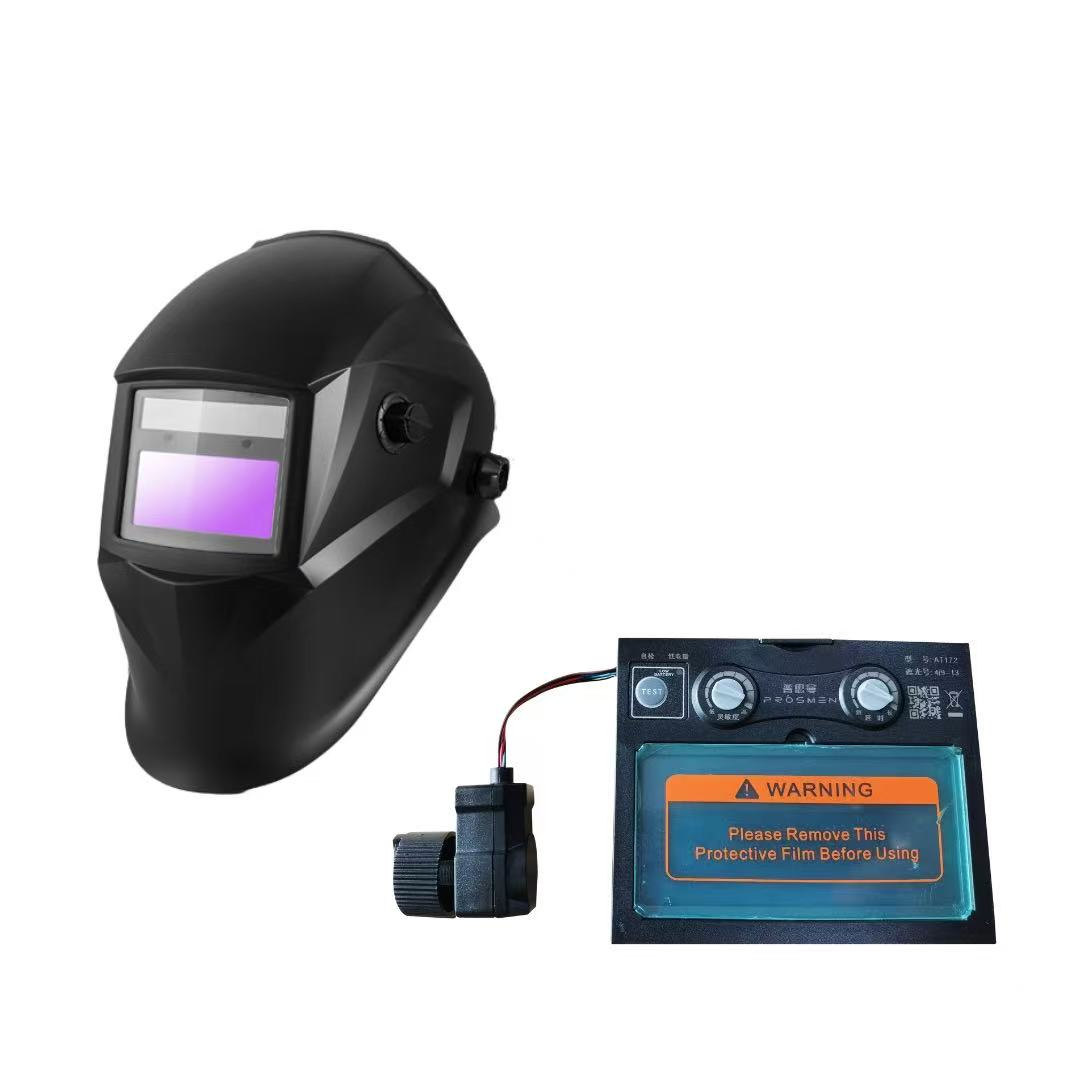
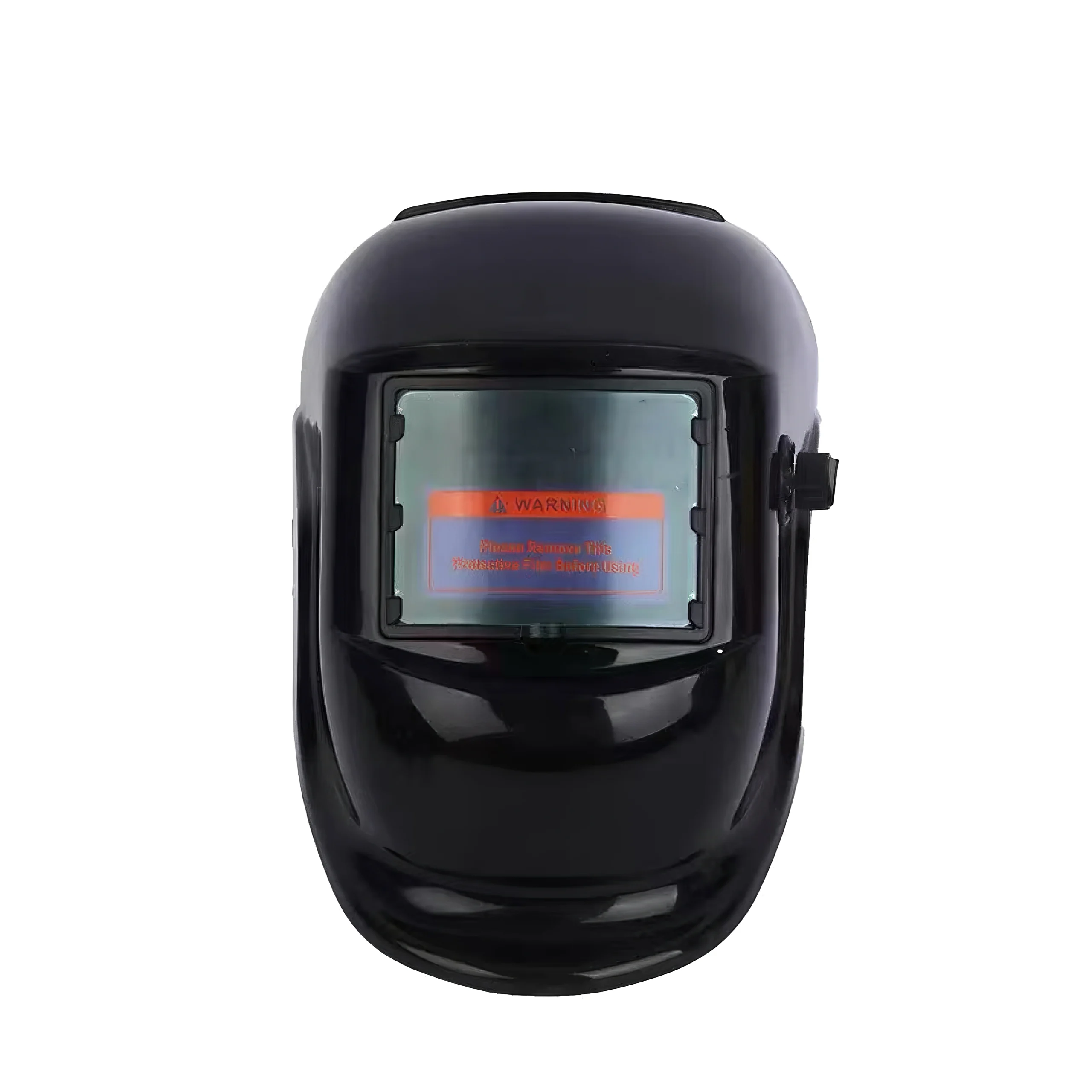
This Lasvio configuration combines an auto-darkening assembly with a separate laser-protective filter specified at 950–1100 nm, OD8+. The auto-darkening assembly controls visible brightness; the laser filter provides wavelength-specific attenuation. A darker visible shade is not a higher laser-protection rating, and successful switching does not verify the condition of the laser filter.
Choose this configuration when your purchasing requirement includes both adjustable visible shading and a documented laser-filter assembly. Confirm the complete supplied configuration before ordering rather than selecting a helmet by appearance or an OD number alone.
Controls to confirm with your order
Ask which shade, sensitivity and delay settings are available on the supplied control assembly. Sensitivity governs the response to detected light. Shade sets the visible dark-state level. Delay governs the return from dark to light, not the speed of darkening. Available mode selections and their permitted uses must be checked against the instructions supplied with the complete helmet.
These adjustments are not universal laser-welding presets. Do not use an ordinary arc-welding helmet as laser PPE simply because it has similar controls, and do not remove a protective filter to improve visibility or sensor response.
Check suitability before purchase
- Provide the equipment model, emitted wavelength range, operating power and continuous or pulsed mode.
- Request the filter markings and documentation for the assembled helmet, not only the auto-darkening cartridge.
- Confirm fit, field of view, replacement-cover requirements and compatibility with other required PPE.
- Have a qualified laser-safety professional assess the complete setup and workplace exposure conditions.
The stated filter specification is not a guarantee of suitability at every power, exposure duration or beam condition. A helmet does not replace a controlled laser work area, appropriate barriers or enclosures, and required eye protection. Never look into or deliberately expose the helmet to a laser beam to test it.
Inspection and replacement
Stop using the helmet if switching becomes unreliable, the optical assembly is loose, or a filter is cracked, damaged or missing. With the laser disabled, inspect accessible components and follow the approved cleaning and maintenance instructions. Use only replacement parts approved for the supplied configuration.
Read what to check when a laser welding helmet does not darken or flickers. For workstation planning, see helmets, safety glasses and enclosures and our laser classification guide.
Request a configuration and quotation
Send Lasvio your machine details, existing helmet and filter-label photos, required quantity and destination. If replacing a faulty unit, describe the symptom without recreating it during live welding. Ask for the available configuration, supporting documentation and replacement-component options before confirming your order.