
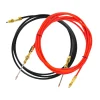
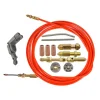
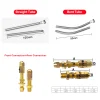
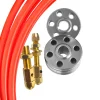
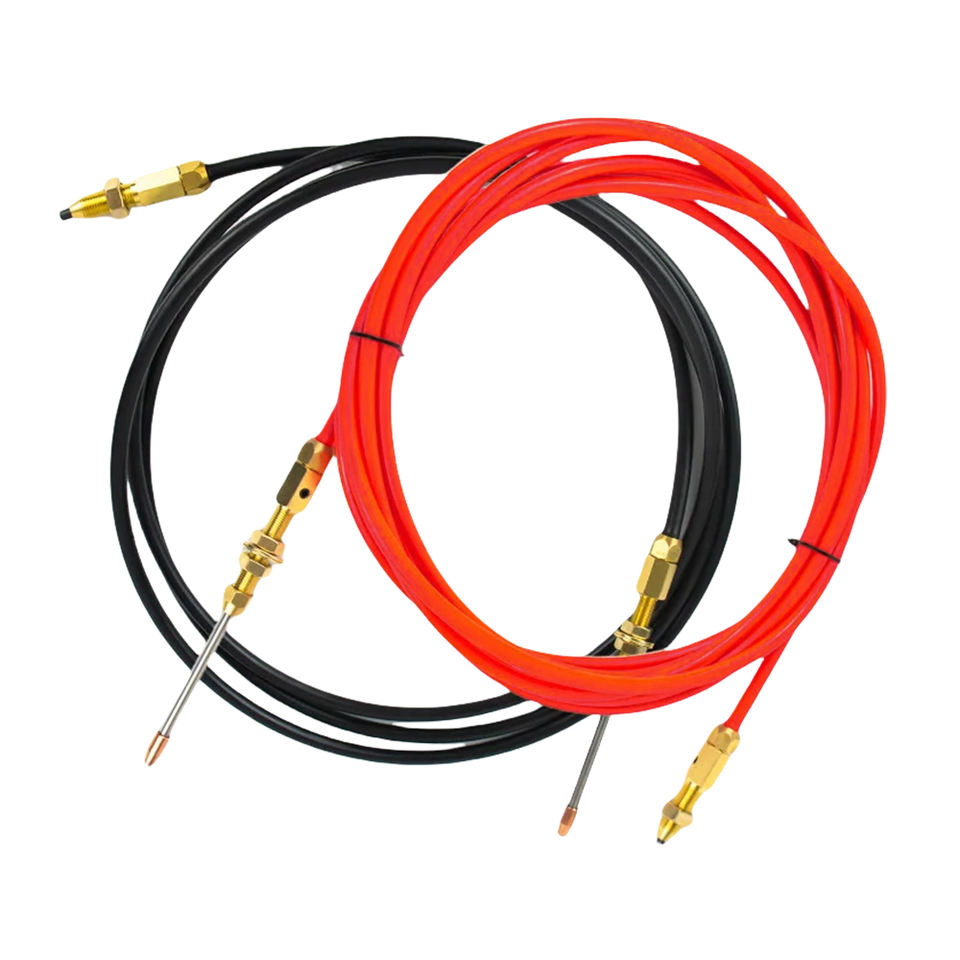
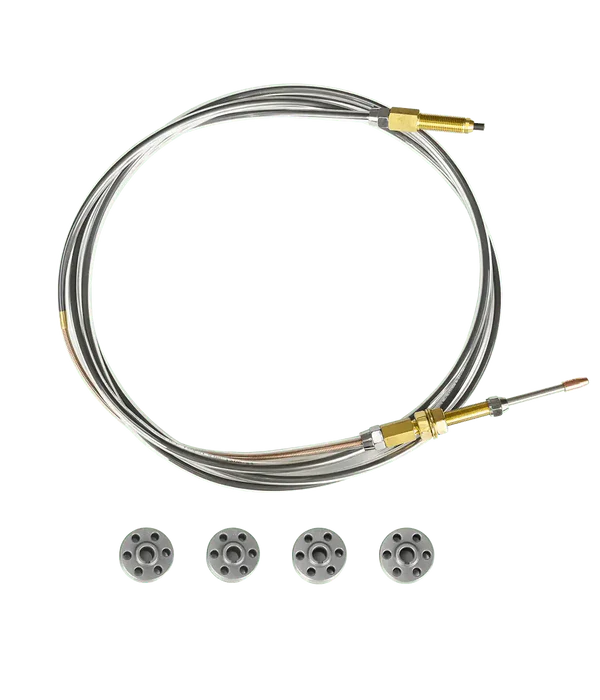
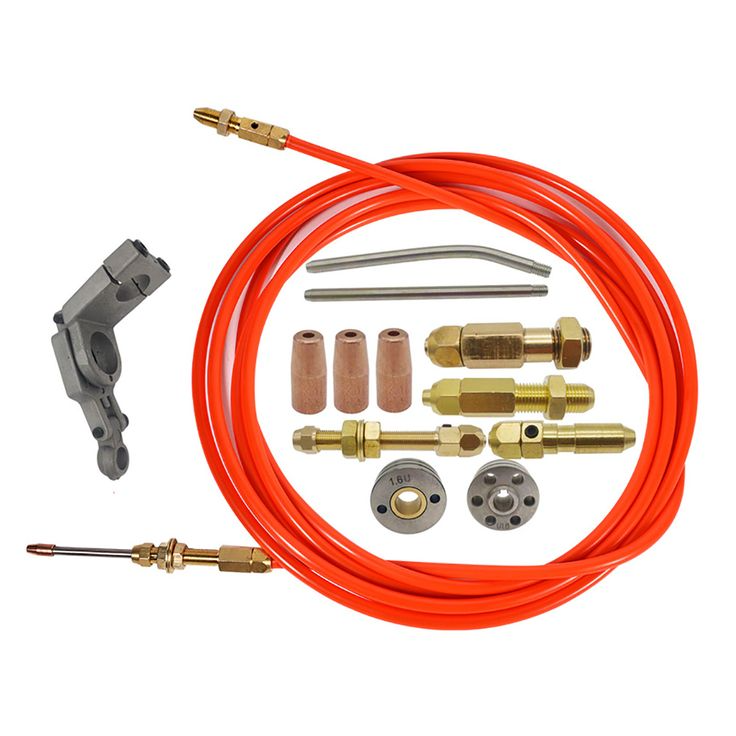
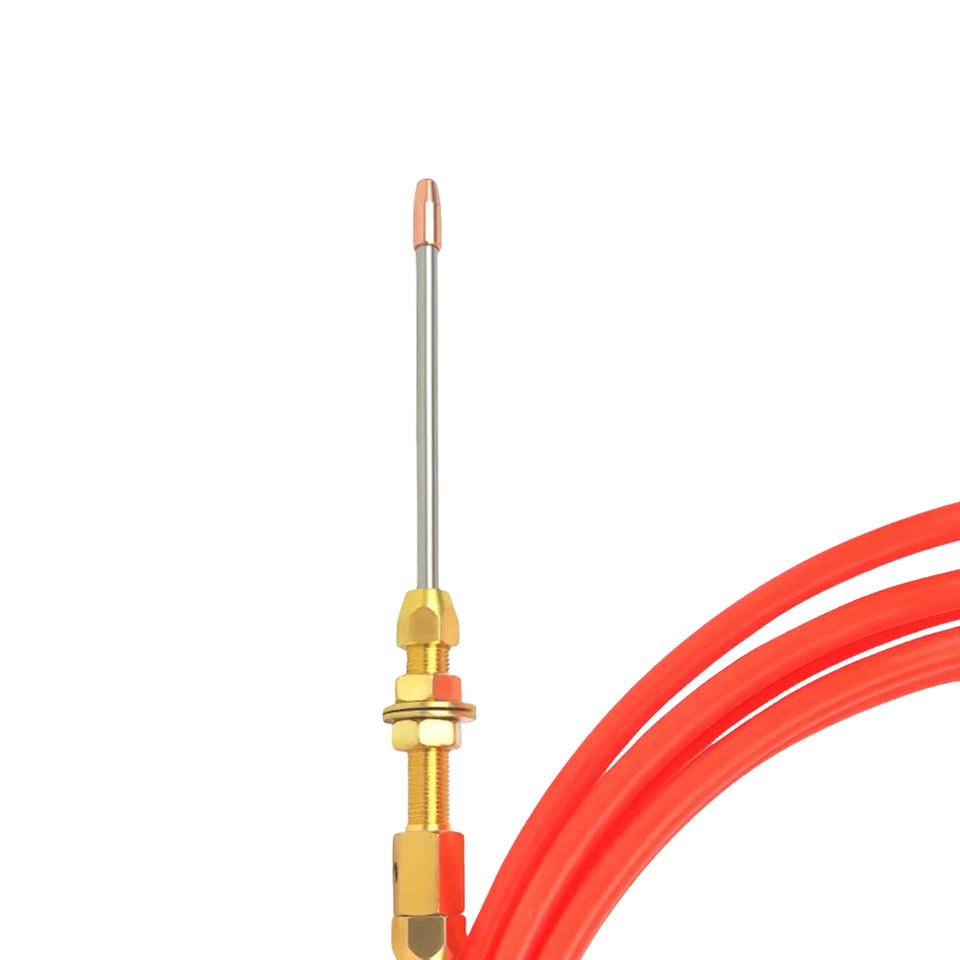
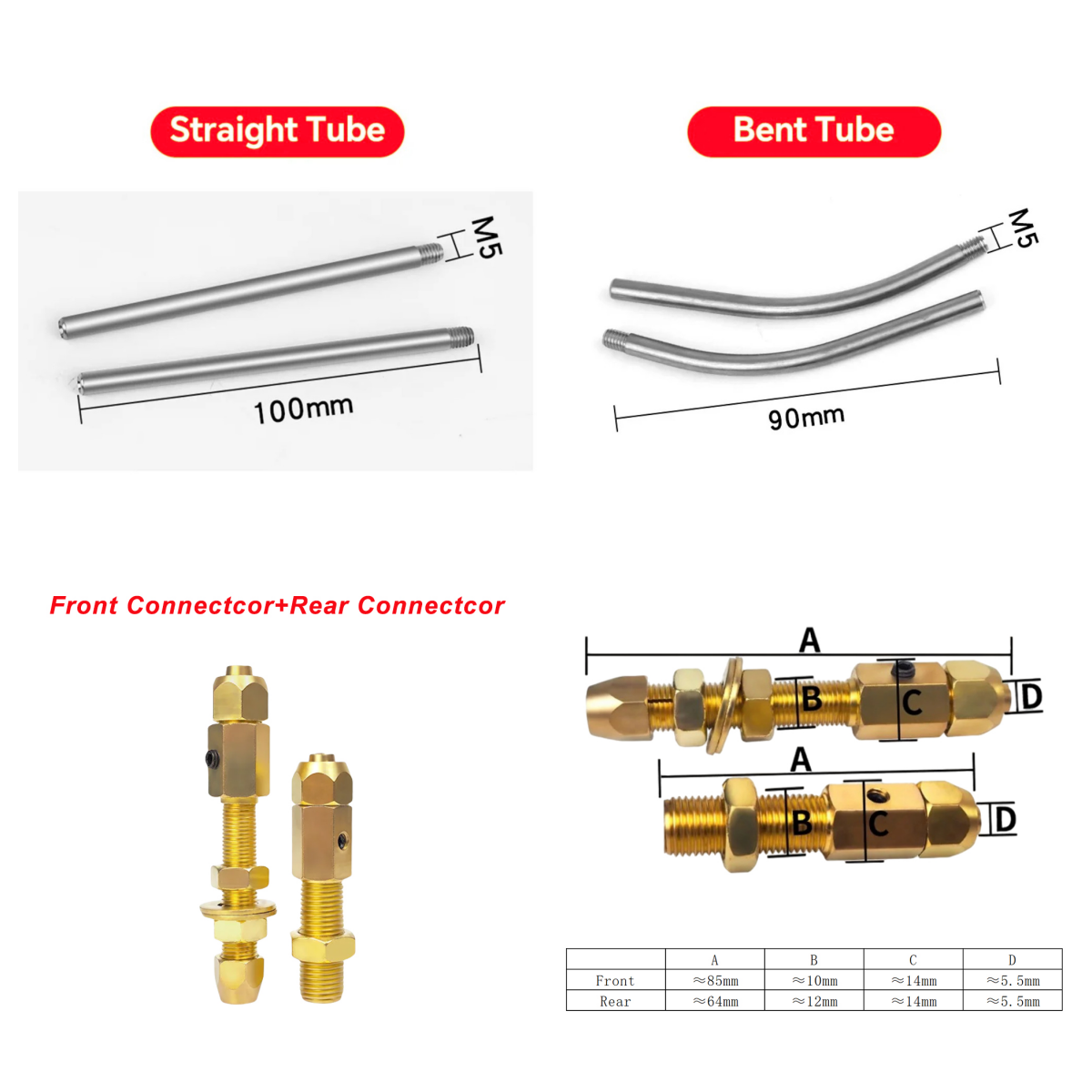
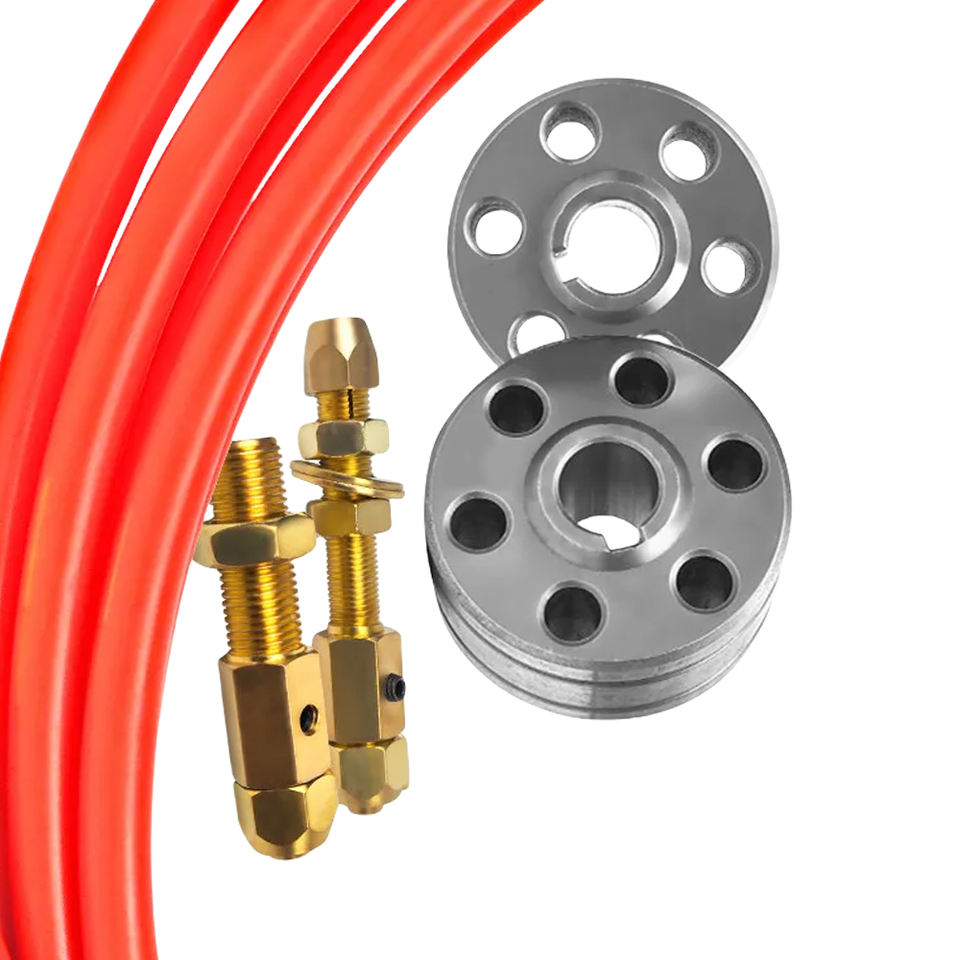
The Critical Role of Laser Wire Feeding Liners The laser wire feeding liners serve as the dedicated highway for your filler wire, ensuring it travels from the feeder to the welding torch without any resistance or contamination. At Lasvio, we provide industrial-grade components specifically designed for the high-speed requirements of fiber laser welding. A high-quality liner is essential because any internal friction or kinking can cause the wire to “pulse,” leading to inconsistent weld beads and potential burn-back at the nozzle. By choosing our specialized tubing, you invest in a smooth, low-friction path that guarantees the precision and reliability needed for professional-grade laser fabrication.
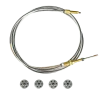
Selecting Proper Materials for Your System: Selecting the correct material for your feeding path is the most important factor in system performance. For soft wires like aluminum (ER5356), we strictly recommend our Teflon (PTFE) liners. The self-lubricating properties of Teflon prevent the soft aluminum from galling or scraping against the inner walls, which would otherwise create metallic dust that clogs the system. For hard wires such as stainless steel or carbon steel, our spiral steel liners offer the necessary rigidity and heat resistance. These steel tubes are precision-wound to provide a smooth internal bore that resists the abrasive nature of hard filler wires over long-term use.
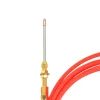
Maintenance Tips for Wire Feeding Liners: To ensure your laser wire feeding liners operate at peak efficiency, correct installation and regular maintenance are vital. A common mistake in the field is cutting the tube too short, which leaves a gap that can cause the wire to buckle or “bird-nest” inside the torch. Our liners are provided in standard 3-meter or 5-meter lengths and can be trimmed to fit your specific torch model perfectly. Furthermore, we suggest blowing out the internal channel with compressed air once a week to remove any accumulated dust. Replacing the part at the first sign of feeding resistance is a cost-effective way to prevent expensive downtime and ensure that your laser welding system maintains high-strength results.