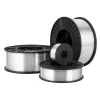
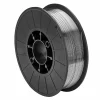
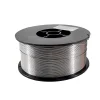
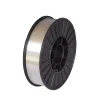
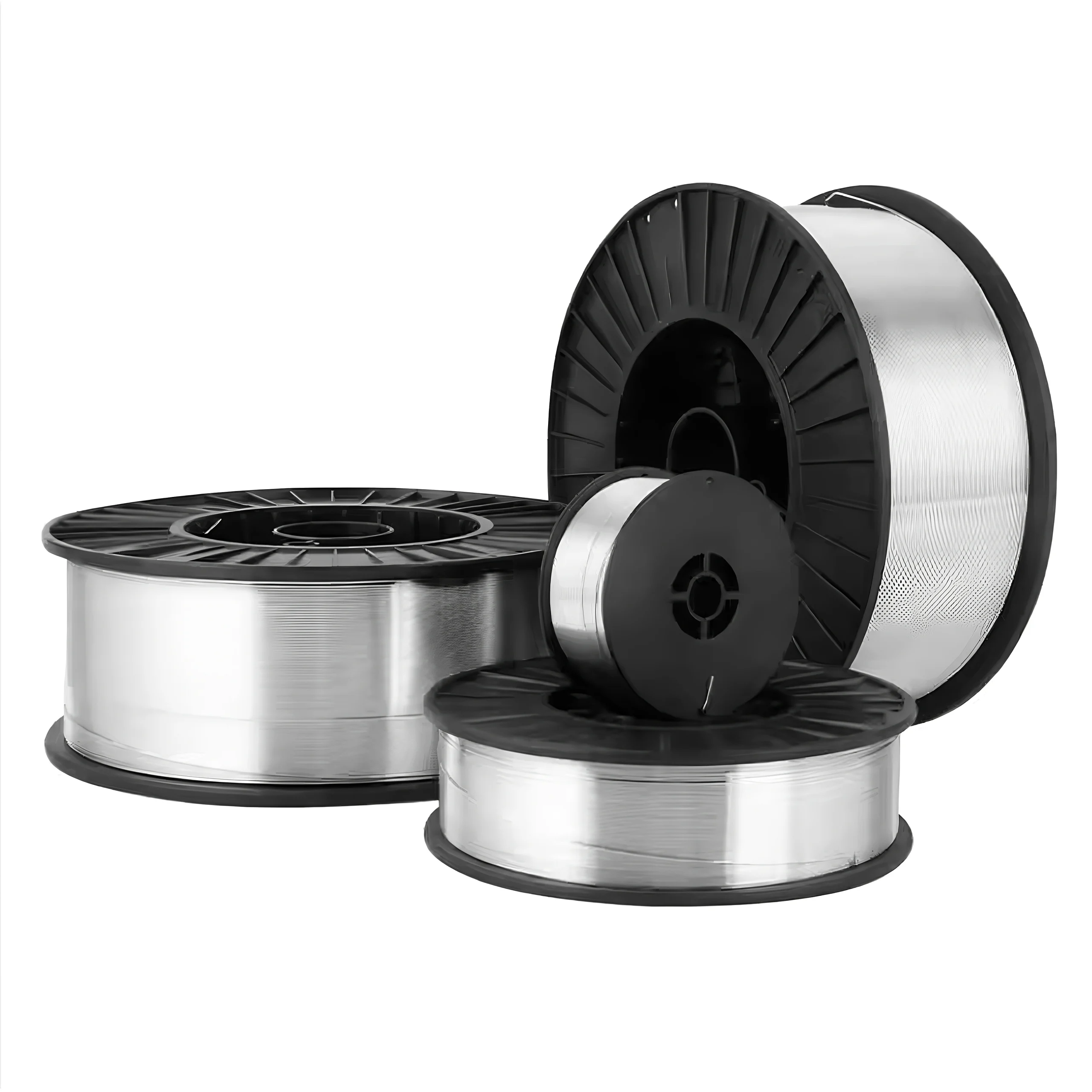
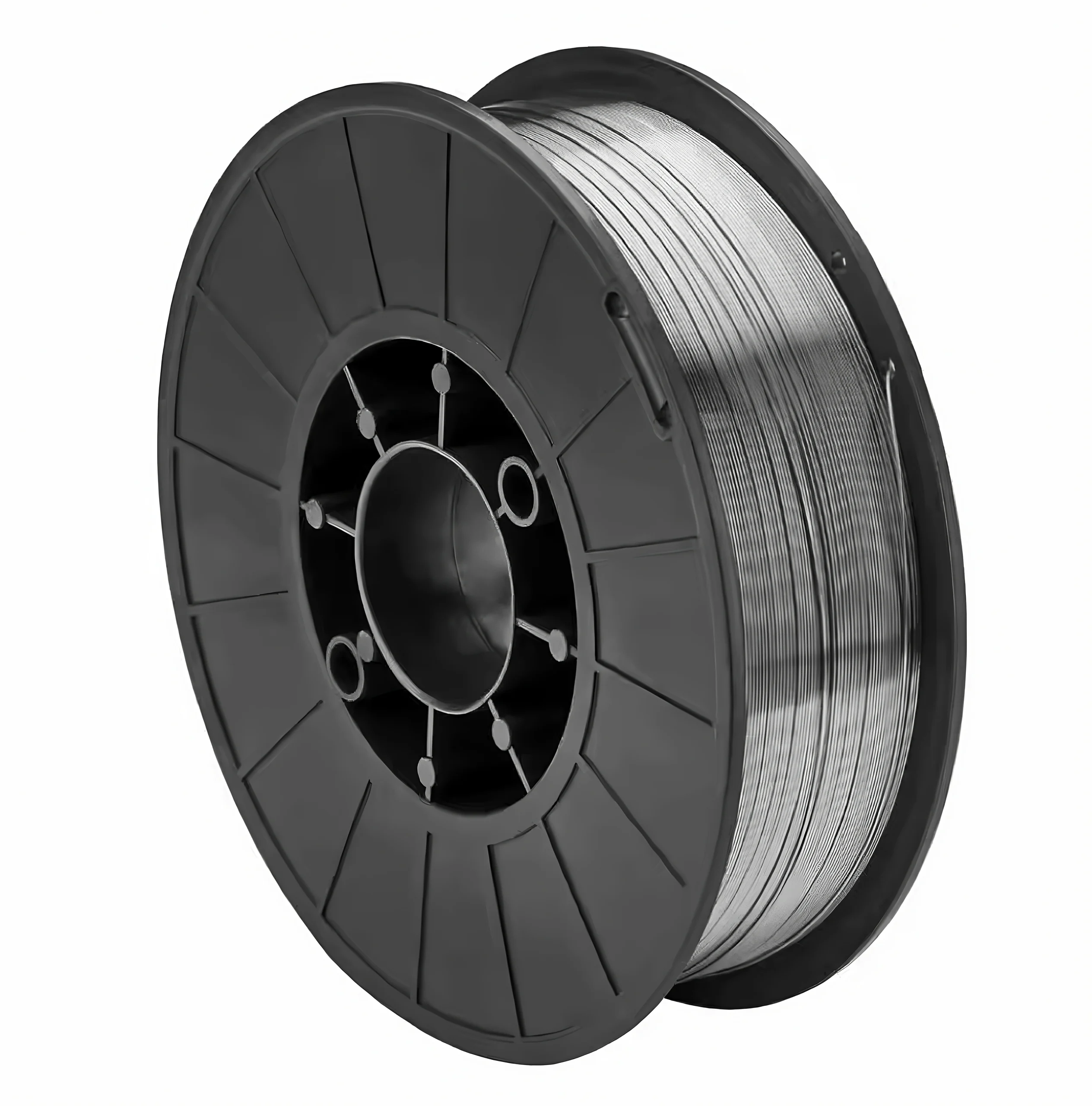
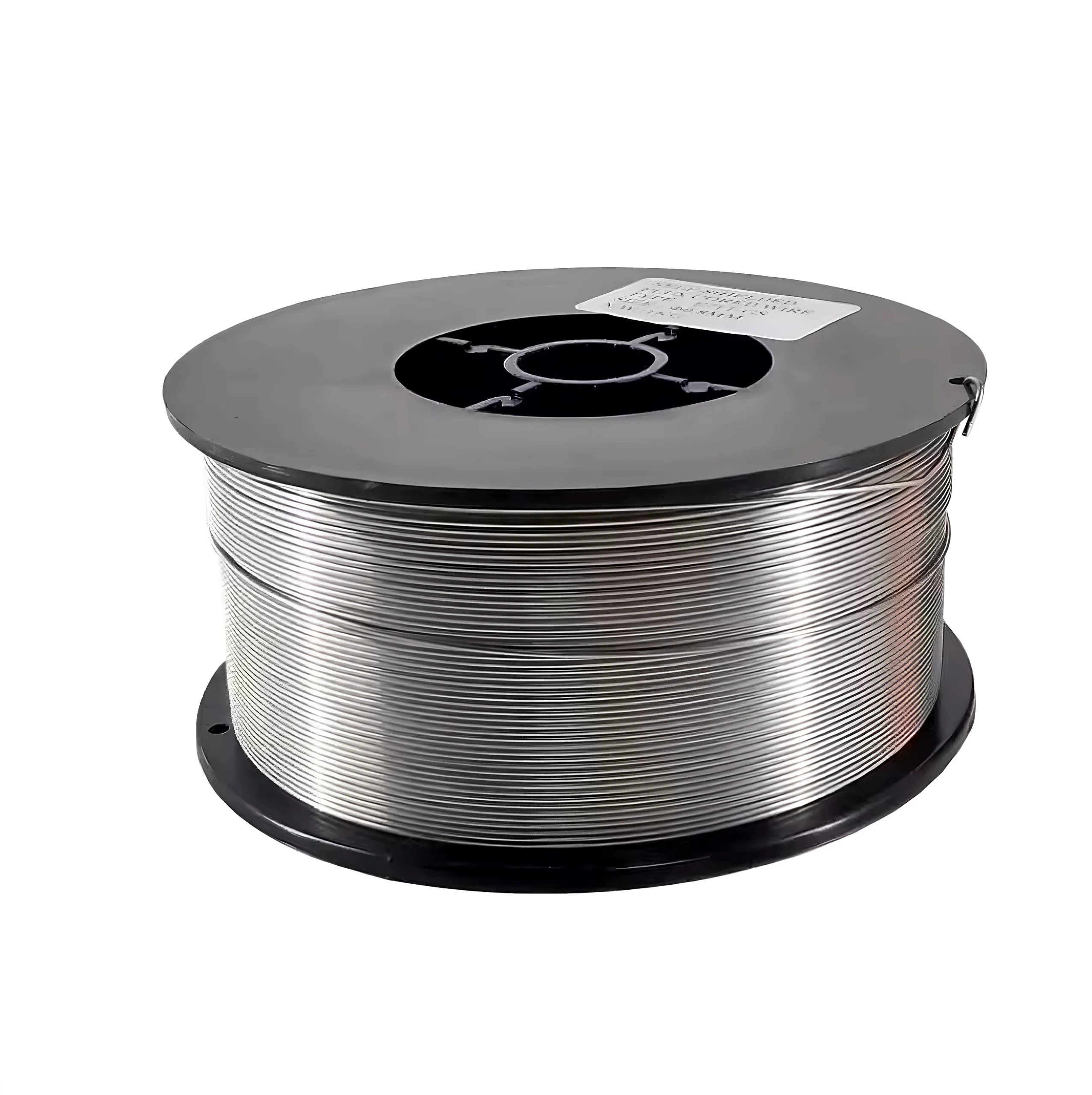
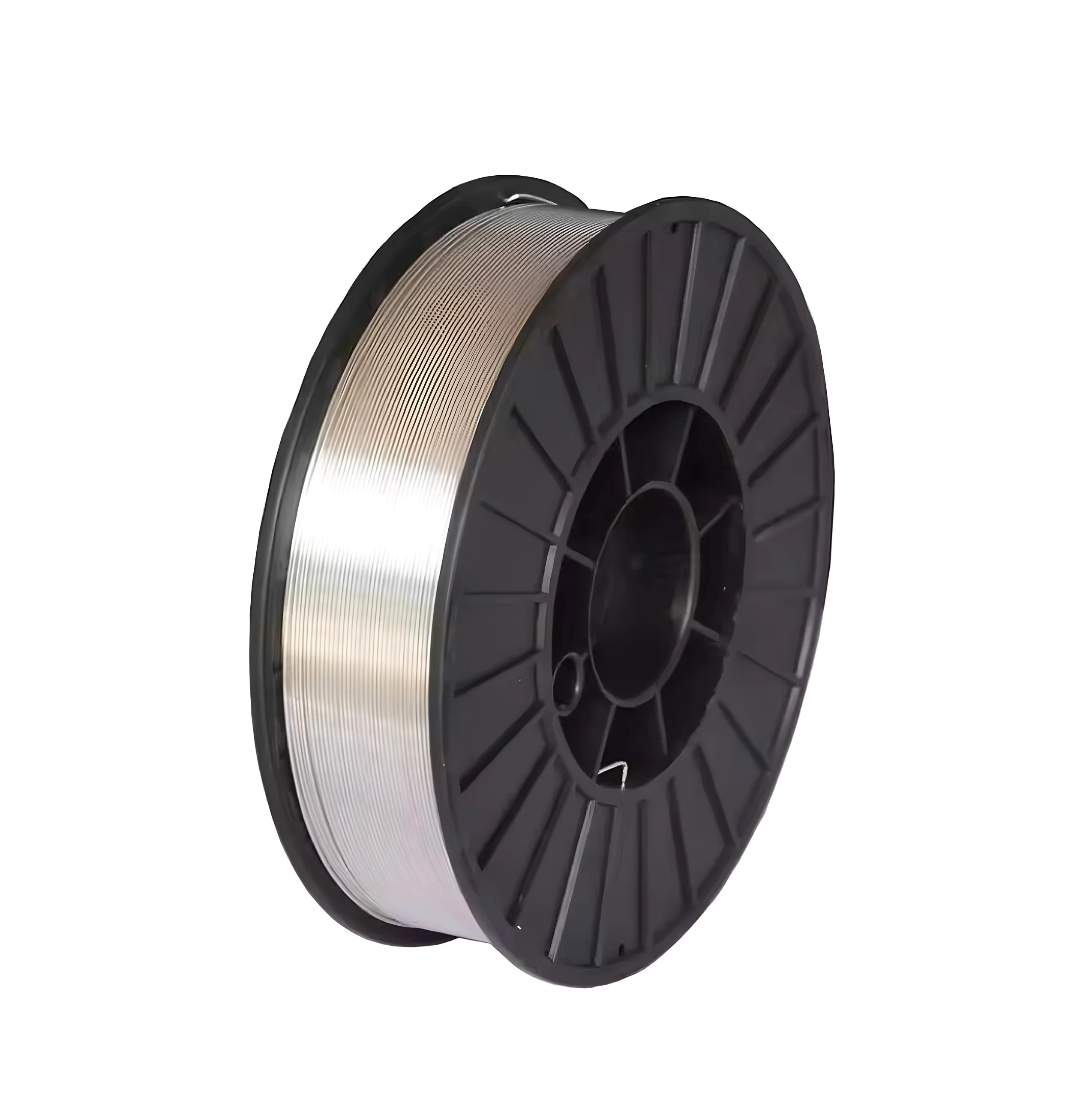
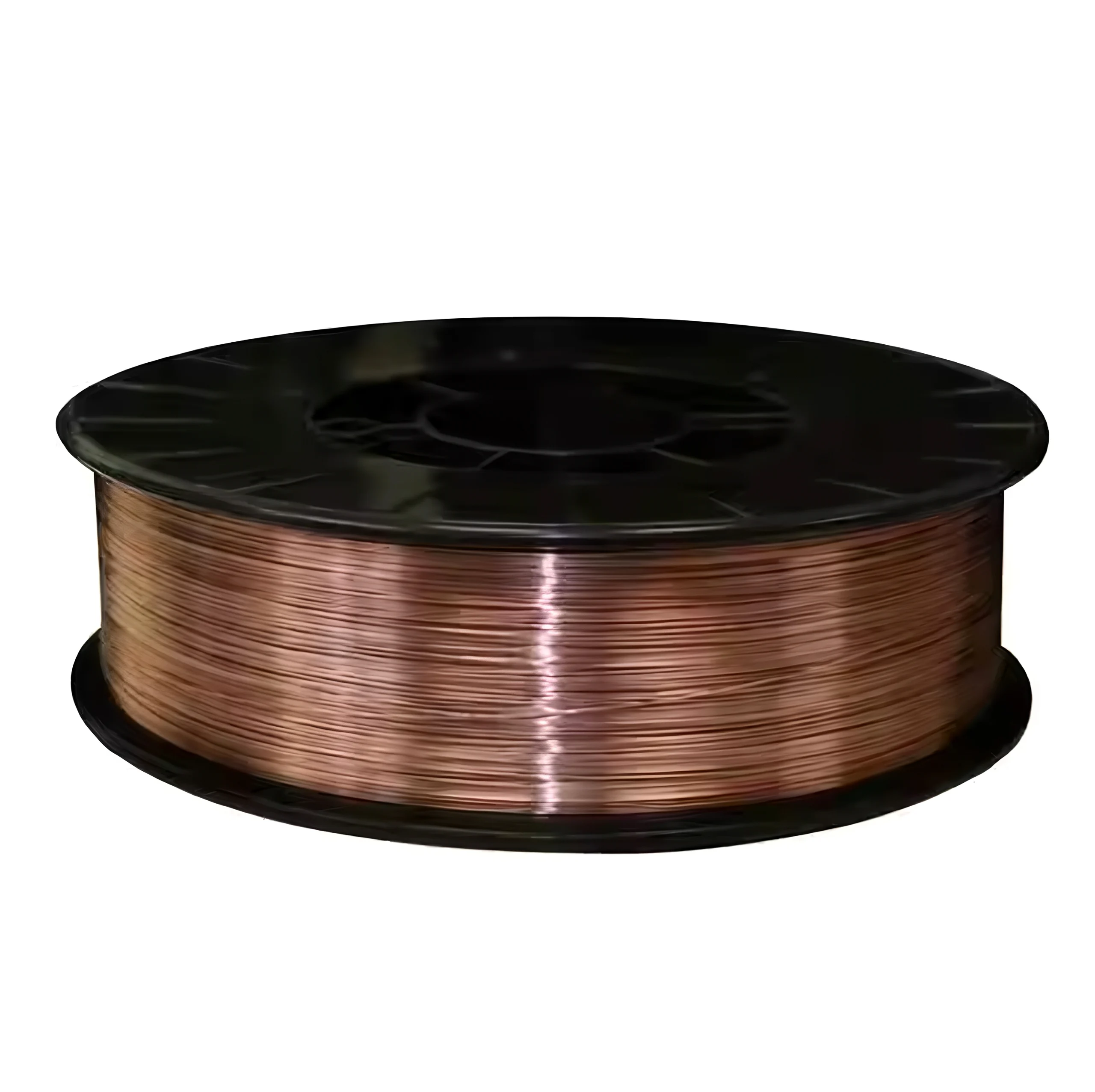
Our premium laser welding wire is an industrial-grade filler material specifically engineered for the high-energy density of fiber laser systems. In laser welding, the quality of the wire directly impacts the mechanical integrity and aesthetic finish of the joint. Unlike traditional MIG/TIG wires, our laser-optimized spools undergo a specialized surface cleaning and precision layer-winding process. This ensures zero-slip feeding and a stable melt pool, even at the high travel speeds typical of handheld and robotic laser welders. By using high-purity alloys like ER308L for stainless steel** and ER5356 for aluminum, fabricators can achieve deep penetration with minimal heat-affected zones.
The premium laser welding wire selection at Lasvio is designed to overcome common welding challenges such as porosity and micro-cracking. For instance, our ER308L wire features a strictly controlled carbon content to enhance corrosion resistance in stainless steel applications. Meanwhile, the ER5356 aluminum wire is enriched with magnesium to provide superior shear strength and excellent color matching after anodizing. Every spool is vacuum-sealed to prevent moisture absorption and oxidation, ensuring that your welding process remains consistent from the first meter to the last. Whether you are in automotive manufacturing, aerospace, or precision sheet metal fabrication, these wires provide the reliability needed for high-stakes production environments.
|
Item
|
Specification
|
|
Product Type
|
Laser welding wire
|
|
Application
|
Laser welding
|
|
Laser Type
|
Fiber laser
|
|
Wire Materials
|
Carbon steel / Stainless steel / Copper / Aluminum
|
|
Wire Diameter
|
0.8 / 1.0 / 1.2 / 1.6 / 2.0 mm
|
|
Wire Form
|
Spool
|
|
Feeding Method
|
Single & dual wire feeding
|
|
Welding Mode
|
Handheld / Automated
|
|
Surface Finish
|
Clean and consistent
|
|
Compatibility
|
Mainstream laser welding systems
|
|
Customization
|
Material, diameter, spool size
|
Choosing the Right Diameter for Your Project
Selecting the correct premium laser welding wire diameter is crucial for achieving a balanced heat input and seam width. For thin sheet metal (under 1.5mm), a 0.8mm wire is recommended to prevent burn-through. For structural components or gap filling between 2mm-4mm, 1.2mm or 1.6mm wires provide the necessary deposition rate to ensure structural integrity.
Maintenance Tips for Optimal Feeding
To maximize the performance of your filler wire, ensure that your Wire Feeding Nozzles are cleaned regularly. Dust or metal shavings on the wire can lead to friction within the liner. We recommend using a dedicated U-groove roller for aluminum wires to avoid crushing the softer material, while V-groove rollers are ideal for stainless and carbon steel.
Why Quality Matters in Laser Welding
Unlike traditional MIG/TIG welding, laser welding uses a much more concentrated energy source. Low-quality wires with impurities can cause micro-cracks or porosity in the weld bead. Our premium laser welding wire undergoes rigorous testing for elemental purity, ensuring that every centimeter of wire reacts predictably under the laser beam, saving you time on rework and post-weld grinding.