
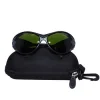
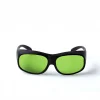
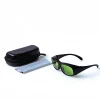
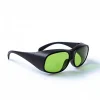
Choose laser safety glasses by model, not lens colour
Lasvio offers laser protective glasses with different wavelength-specific specifications. Start with the laser equipment’s emitted wavelength range and the protection requirement established for your workplace. A darker-looking lens, a familiar frame or a higher OD number at the wrong wavelength is not a reliable basis for selection.
Specifications from the supplied product data
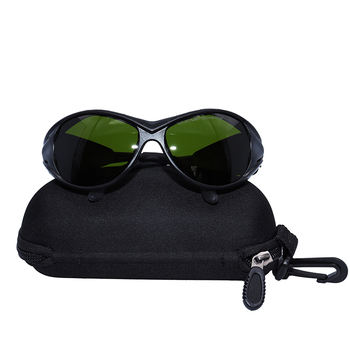
LP-ADY-3
- Stated protective range: 900–1100 nm, OD8+.
- Visible light transmittance: 6%.
- Listed protection marking: 900–1100 nm D LB6 + IR LB8.
- The supplied sheet lists CE EN 207; request documentation for the exact supplied item.
Do not select this model for 808 nm on the basis of a generic application list: the documented protective range above starts at 900 nm.
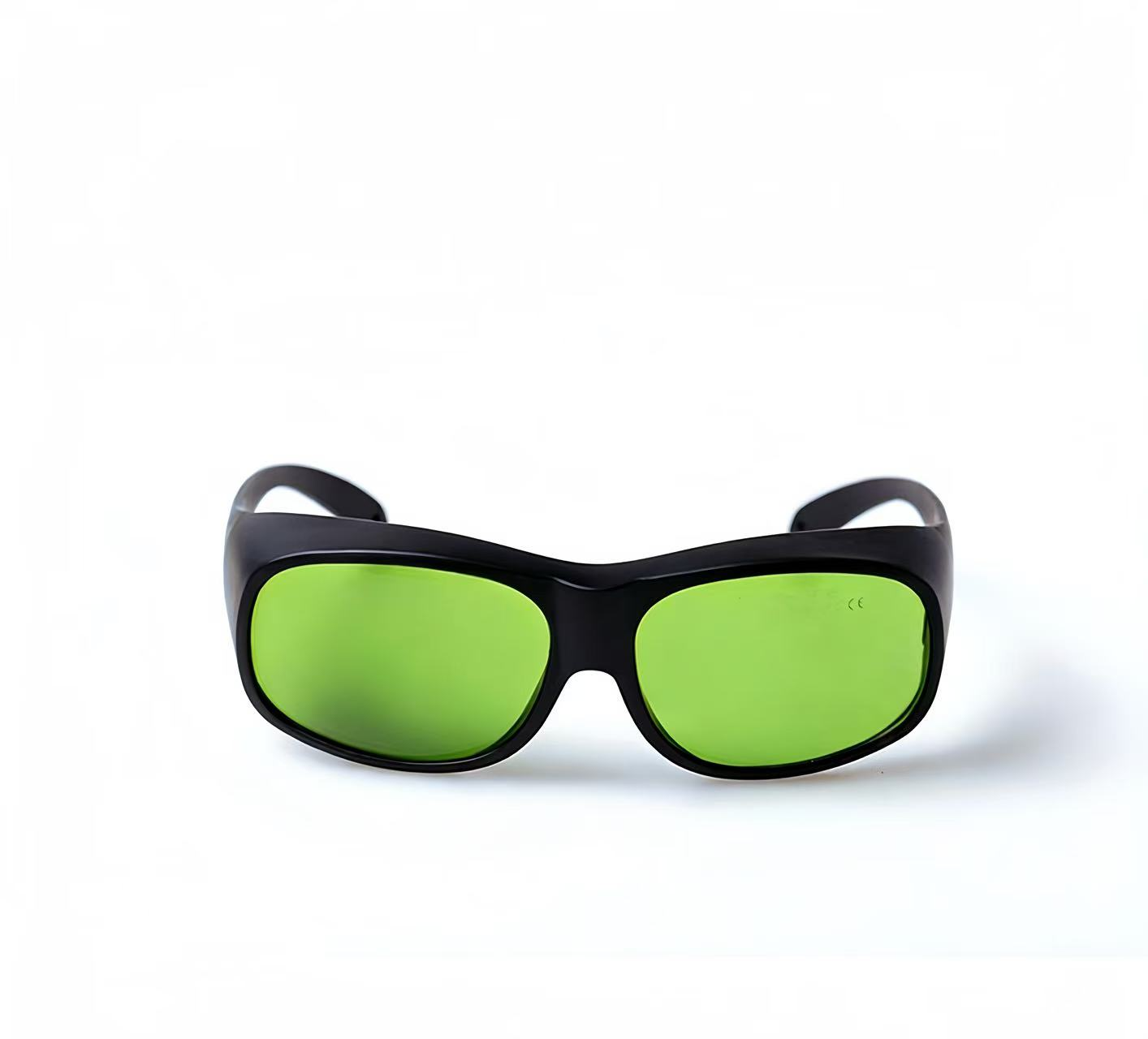
LP-YHP-2
- Stated optical density: 800–900 nm OD>6 and 900–1100 nm OD>7.
- Visible-transmittance versions: 6% and 8%; confirm the ordered SKU.
- Listed LB markings: 800–900 nm D LB5 + IR LB6 and >900–1080 nm D LB5 + IR LB7.
- The supplied data lists CE EN 207; the documentation must match the selected version.
The OD range and the listed LB range are not identical. In particular, do not extend the stated LB marking from 1080 nm to 1100 nm without supporting documentation. Ask for clarification before selecting eyewear for equipment operating in that interval.
Visibility, fit and other protective equipment
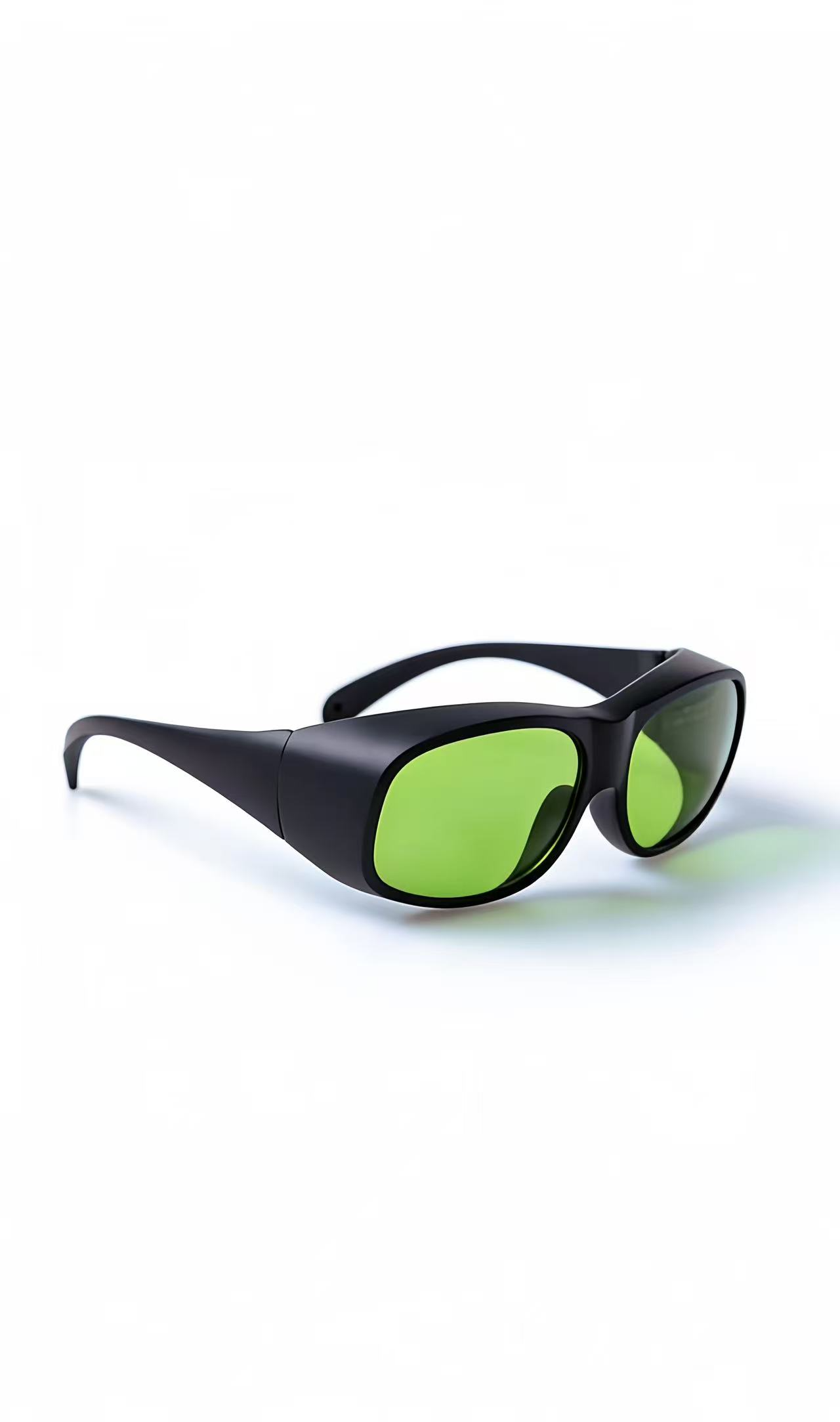
Visible transmittance describes how much visible light passes through the lens; it is not the laser protection rating. Compare the available version with the lighting and visibility requirements of the task. Confirm fit, side coverage and any prescription-eyewear requirement rather than assuming every frame fits over spectacles.
Glasses do not provide the face coverage of a helmet or the area control of an enclosure. Review the standard protective helmet and helmet, glasses and enclosure guide when planning the complete workstation.
Inspection and ordering
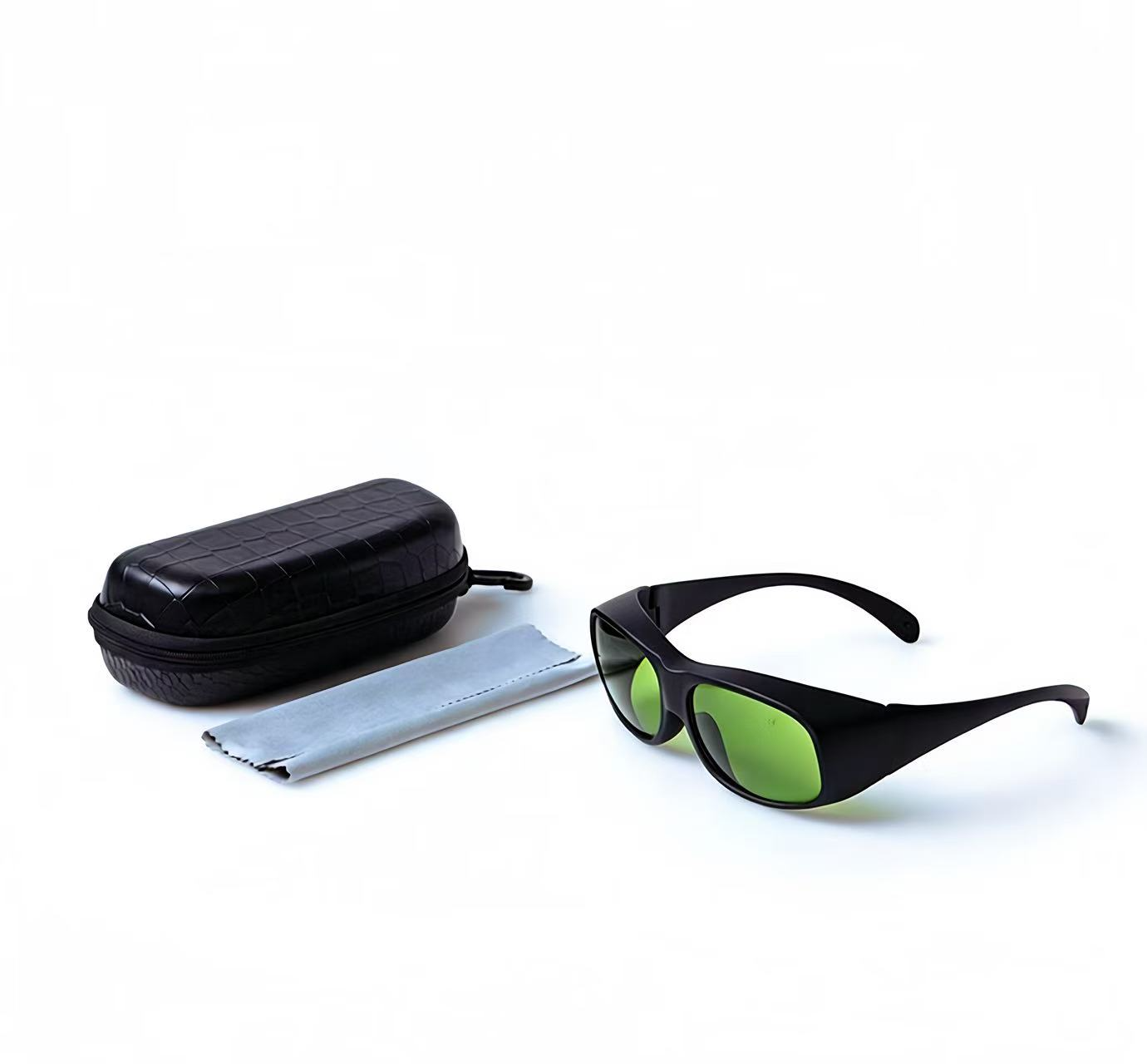
Follow the supplied instructions for cleaning, storage and replacement. Do not use eyewear with damaged lenses, an insecure frame or unreadable protection markings. Never test eyewear by looking toward a laser beam. Final selection must account for exposure conditions and be reviewed by a qualified laser-safety professional.
For a quotation, send the equipment model, full wavelength range, operating power and mode, required model or label photo, preferred visible-transmittance version and quantity. Request the corresponding documentation before purchase. Our laser classification guide provides background for that discussion.