
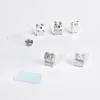


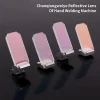

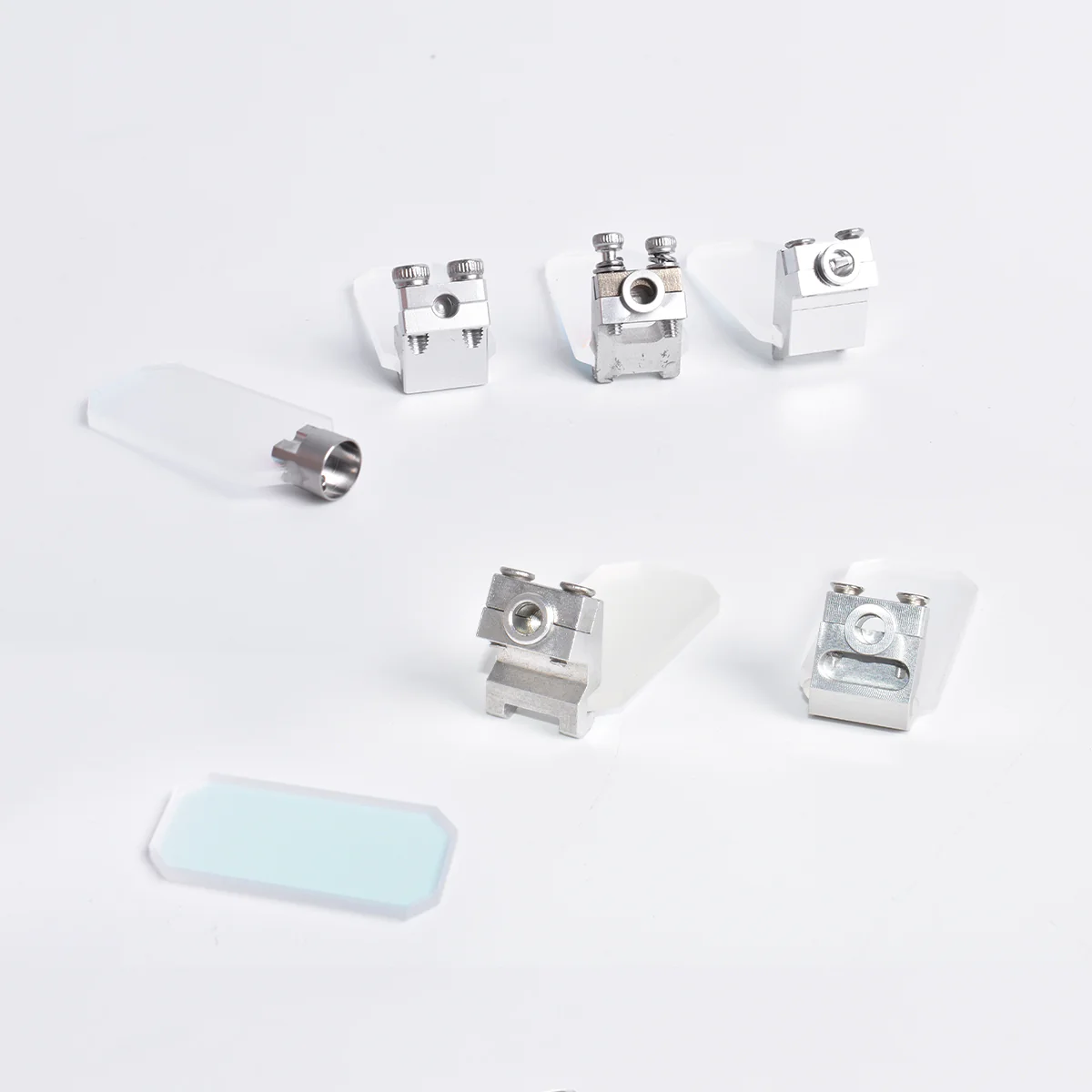
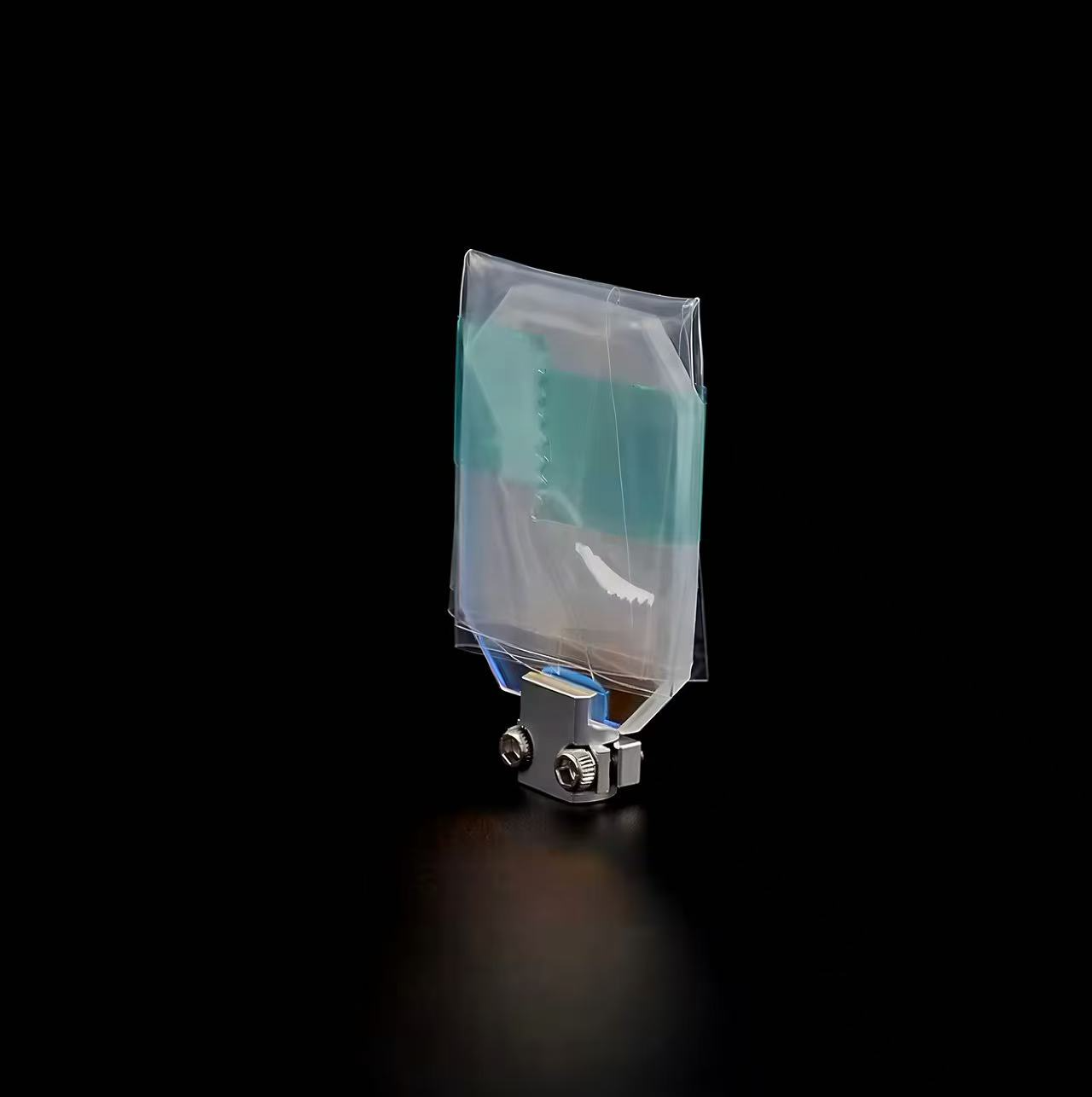
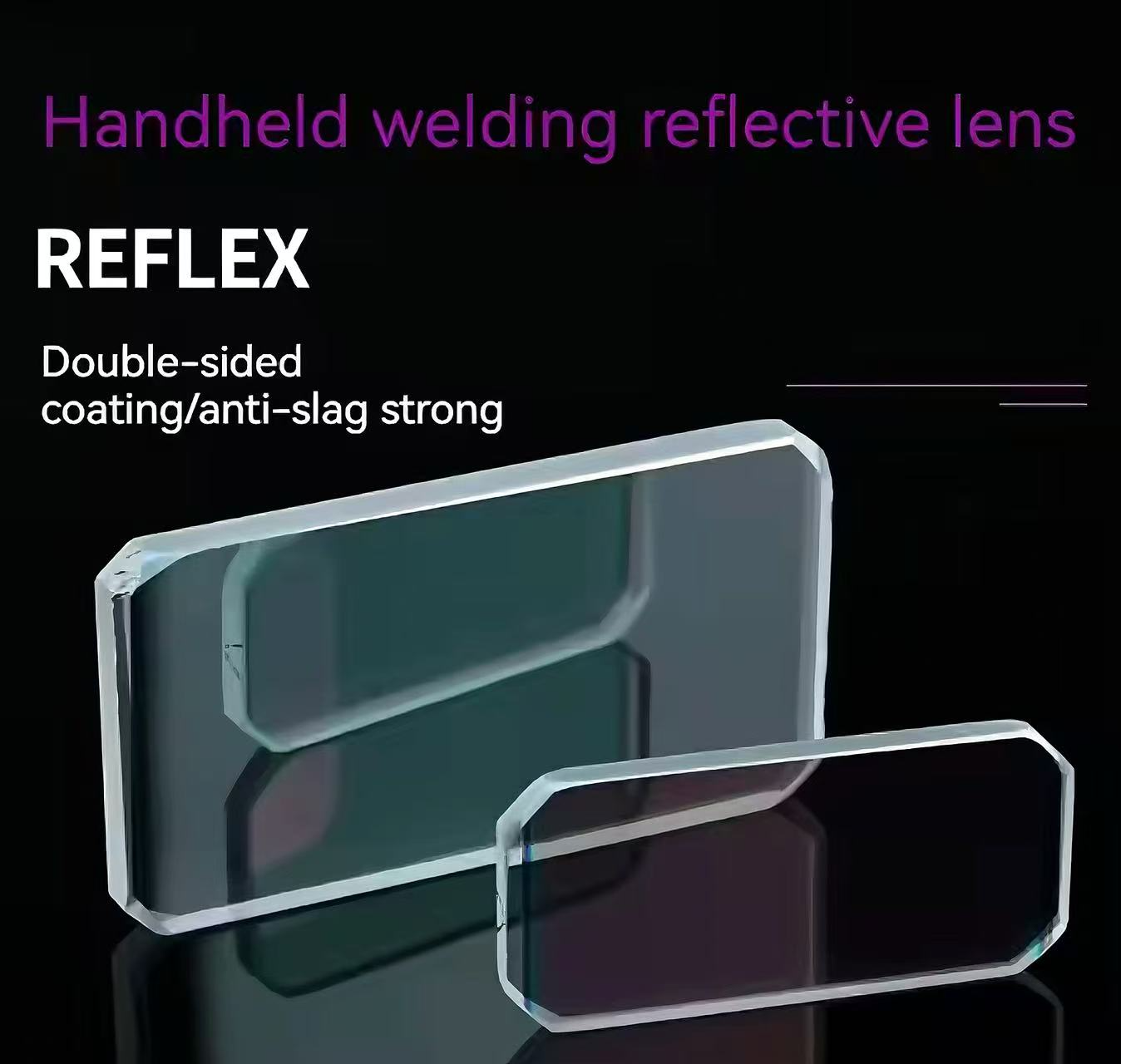

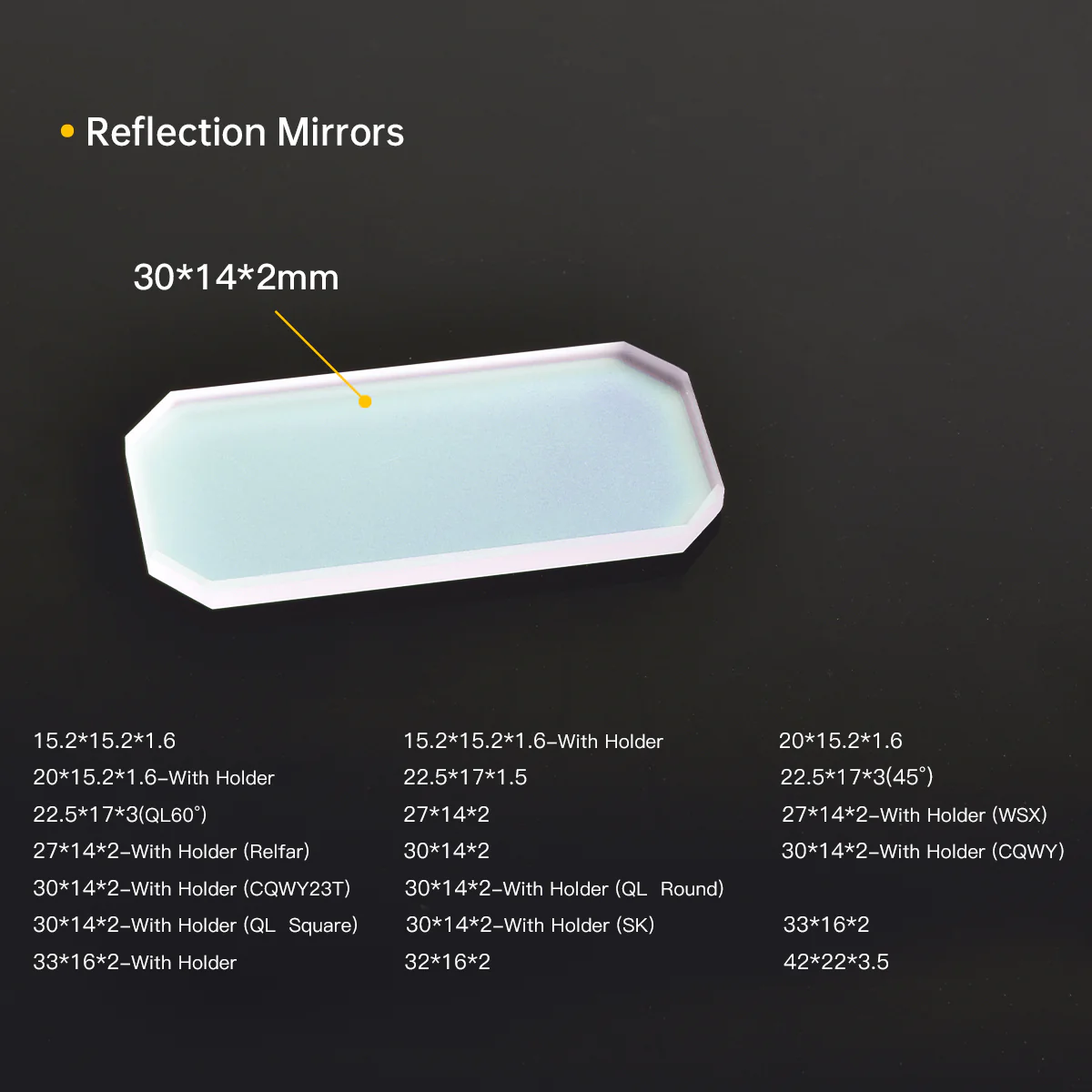
The Precision Engineering of Laser Welding Reflective Mirrors In a high-power fiber laser system, laser welding reflective mirrors are the vital optical components responsible for redirecting the laser beam toward the focusing assembly with minimal energy loss. At Lasvio, we offer mirrors manufactured from premium substrates such as silicon or copper, which are then coated with specialized dielectric or metallic layers to ensure a reflectivity rate exceeding 99.8%. A high-quality mirror is critical because any absorption of laser energy can lead to thermal deformation, which distorts the beam profile and degrades weld quality. By upgrading to our professional laser welding reflective mirrors, you ensure a stable optical path and a more efficient transfer of energy to your workpiece.
Technical Advantages of Laser Welding Reflective Mirrors
The performance of these optical components is defined by their surface accuracy and damage threshold. Our laser welding reflective mirrors are polished to a surface flatness of $\lambda/4$ or better, preventing any phase distortion that could affect the laser’s focal spot size. This precision is essential for maintaining the high power density required for deep-penetration welding in stainless steel and aluminum. Furthermore, our mirrors feature advanced thin-film coatings that are specifically tuned for the 1064nm to 1080nm wavelength of fiber lasers. This specialized coating allows the mirrors to handle continuous power levels up to 6kW without the risk of coating delamination or catastrophic thermal failure, ensuring your system operates at peak reliability.
Maintenance Tips for Internal Reflective Optics
To protect your investment and maintain the longevity of your laser mirrors, a clean environment inside the welding head is mandatory. Even microscopic dust particles on the mirror surface can absorb laser energy and create “hot spots” that permanently damage the coating. We recommend inspecting these internal optics during routine maintenance cycles in a dust-free environment using filtered compressed air and optical-grade cleaning solutions. Never touch the reflective surface with bare fingers, as skin oils can cause oxidation. By following these strict maintenance protocols, you extend the life of your optical train and ensure that your laser system consistently delivers the high-strength, clean weld seams required for industrial-grade manufacturing projects.