
Laser systems are widely used in industrial manufacturing, medical treatment, scientific research, and consumer electronics. Based on the potential hazard to human eyes and skin, lasers are classified into four main safety categories: Class 1, Class 2, Class 3, and Class 4.
Understanding laser classifications helps operators choose the correct protection methods and maintain a safer working environment.
Class 1 Lasers
Applications
Class 1 lasers are considered safe under normal operating conditions because the laser beam is fully enclosed inside the equipment.
Common applications include:
- Laser printers
- CD/DVD players
- Barcode scanners
- Enclosed industrial laser systems
Safety Protection
Although Class 1 lasers are generally safe, operators should:
- Avoid opening protective covers during operation
- Follow manufacturer maintenance procedures
- Ensure enclosure systems remain intact
Under normal use, special protective eyewear is usually not required.
Class 2 Lasers
Applications
Class 2 lasers emit visible light with relatively low power. Brief accidental exposure is usually protected by the human blink reflex.
Common applications include:
- Laser pointers
- Alignment tools
- Educational demonstration lasers
Safety Protection
Recommended precautions include:
- Avoid direct eye exposure
- Never intentionally stare into the beam
- Use warning labels in operating areas
Protective glasses are typically unnecessary for short-term exposure but may be recommended in controlled environments.
Class 3 Lasers
Applications
Class 3 lasers are more powerful and may cause eye injuries through direct exposure.
Common applications include:
- Surveying equipment
- Laboratory lasers
- Entertainment lighting systems
- Some medical devices
Safety Protection
Operators should:
- Wear suitable laser safety goggles
- Restrict access to operating areas
- Use beam barriers and warning signs
- Avoid reflective surfaces near the laser path
Proper operator training is highly recommended.
Class 4 Lasers
Applications
Class 4 lasers are high-power lasers capable of causing severe eye and skin injuries. They may also create fire hazards and dangerous reflections.
Common applications include:
- Fiber laser welding
- Laser cutting machines
- Laser cleaning systems
- Industrial engraving systems
- High-power medical lasers
Class 4 lasers are widely used in modern industrial manufacturing because of their high efficiency and precision.
Safety Protection
Strict safety measures are required for Class 4 laser systems, including:
- Certified laser safety goggles
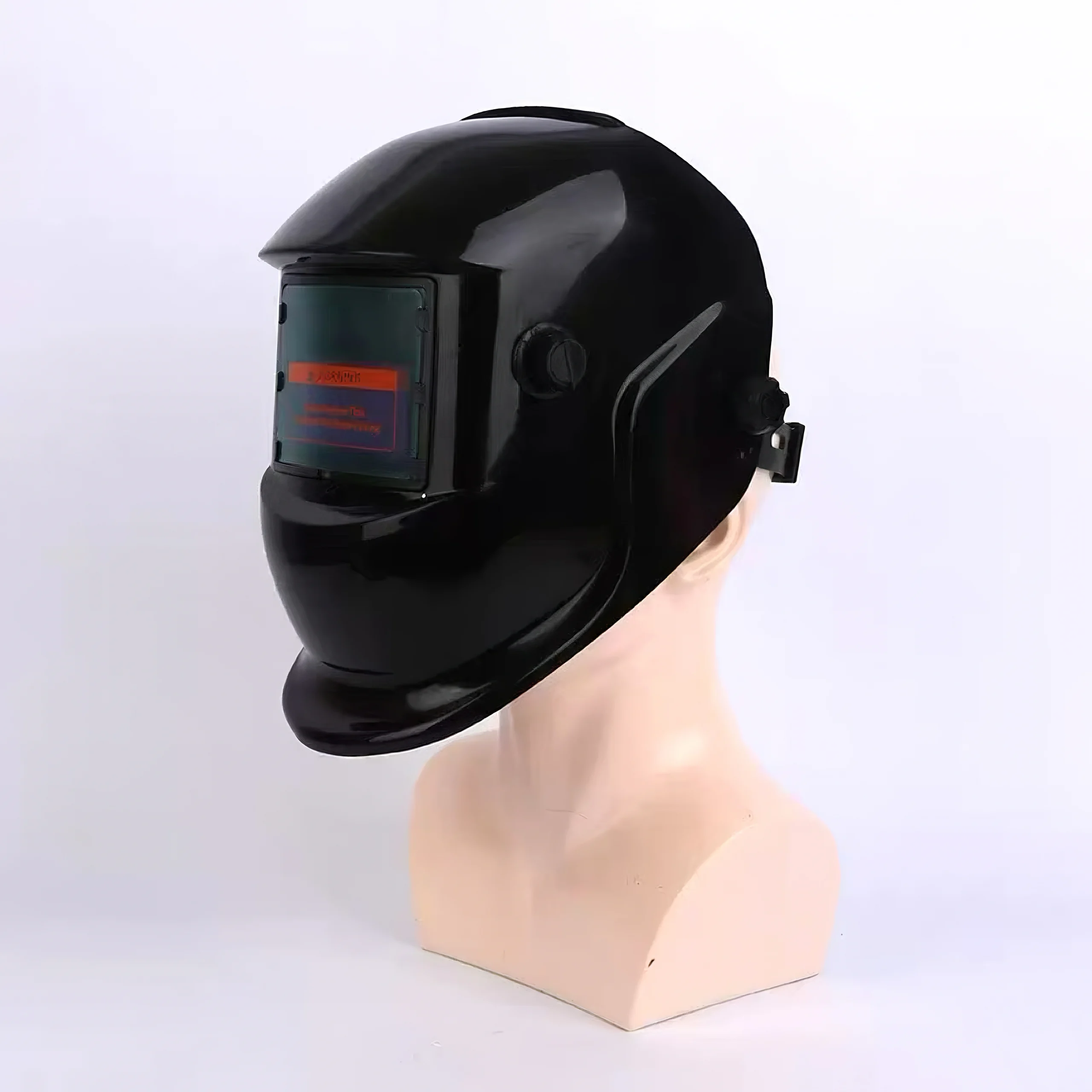
- Laser protective helmets
- Enclosed laser cabins
- Laser safety curtains
- Smoke extraction and ventilation systems
- Emergency stop systems
- Operator safety training
Direct or reflected exposure to Class 4 lasers can cause permanent injuries within seconds.
Why Laser Safety Matters
As laser technology becomes more powerful and widely used, proper safety protection is essential for both operators and equipment.
Using the correct laser safety solutions helps:
- Reduce injury risks
- Improve workplace safety
- Meet industrial safety regulations
- Protect machine components
- Maintain stable production
At Lasvio, we provide professional laser safety equipment and laser components for welding, cutting, and cleaning applications.
Conclusion
Different laser classes require different levels of safety protection. While Class 1 and Class 2 lasers are relatively safe under normal conditions, Class 3 and especially Class 4 lasers require strict protective measures.
Understanding laser classifications helps companies create safer and more efficient working environments for industrial laser applications.